US-India Trade Relations: US & India Aim to Double Trade Amid Tariff Uncertainties
Explore US-India trade relations with insights into India imports from the US and US imports from India, including key products, trends, and trade data.
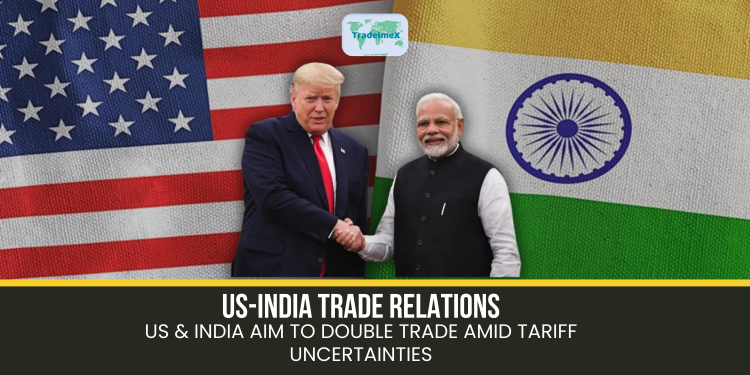
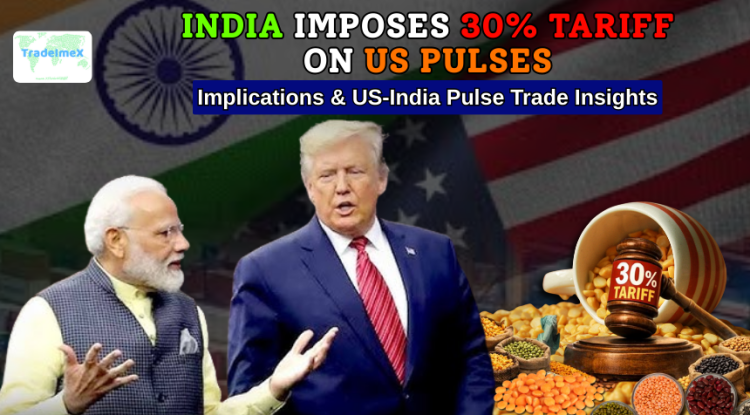
The trade relationship between the United States and India has been on a trajectory of growth and possibility. Both countries have much to gain from a strong trade partnership, including increased economic prosperity, job creation, and strengthened diplomatic ties. However, amidst ongoing tariff uncertainties and geopolitical tensions, there are challenges that both nations must navigate to achieve their shared goal of doubling trade in the coming years. Trade relations between the two countries are multifaceted: India imports from US advanced technology, aircraft, and energy resources, while import from US to India also supports manufacturing and infrastructure growth; at the same time, analysts often ask what does America import from India, which commonly includes pharmaceuticals, textiles, and IT services, highlighting how India export to US plays a vital role in balancing bilateral commerce.
Key Trends for the US-India Bilateral Trade
-
In 2024, India's exports to the United States reached a record $77.5 billion.
-
Indian exports to the United States have increased at a compound annual growth rate (CAGR) of 10.3% throughout the past thirty years.
-
India's exports to the US have grown steadily, making it a vital market.
-
Before the fiscal year (FY) 2000, the USA had surpassed India in terms of export growth.
-
Exports to the US have continuously outpaced rates of increase for all exports since FY 2010.
-
The growth of Indian exports overall after economic reforms started in 1991 is consistent with the country's export trend to the US.
-
Although it rose from 16.4% in 1992 to 18% in 2024, the overall percentage of US imports from India stayed below its peak of 22.8% in 2000.
-
The US's proportion in India's exports dropped to 10.1% in 2011 following the economic downturn, but it has subsequently increased dramatically.
-
For several Indian companies, the US is a crucial market that accounts for a sizeable amount of their revenue.
-
The US market accounts for more than 30% of the revenue of industries like telecom instruments, pearls and precious stones, and pharmaceuticals and medications.
What does the US Export to India?
The United States exports a diverse range of products to India, contributing significantly to the bilateral trade relationship between the two countries. Some of the prominent exports from the US to India include aerospace components, medical devices, information technology services, agricultural products, and machinery. The top 10 goods that the US exports to India, as per the US export data and US shipment data for 2024 include:
1. Mineral fuels and oils: $12.58 billion
2. Precious stones and metals, pearls: $5.3 billion
3. Nuclear reactors and machinery: $3.28 billion
4. Aircraft, spacecraft, and parts thereof: $2.99 billion
5. Electrical machinery and equipment: $2.21 billion
6. Optical, medical, and surgical instruments: $1.99 billion
7. Plastics and articles thereof: $1.43 billion
8. Edible fruit and nuts: $1.16 billion
9. Organic chemicals: $1.11 billion
10. Miscellaneous chemical products: $1.01 billion
What does the US Import from India?
The United States imports a wide range of products from India, contributing to a thriving bilateral trade relationship between the two countries. Some of the key imports from India to the US include pharmaceuticals, textiles, machinery, precious stones, and organic chemicals. India's diverse economy offers a variety of high-quality goods that meet the demands of American consumers and businesses. The top 10 US imports from India, as per the US import data and US-India trade data for 2024 include:
1. Electrical machinery and equipment: $14.38 billion
2. Pharmaceutical products: $12.71 billion
3. Precious stones and metals, pearls: $11.87 billion
4. Nuclear reactors and machinery: $7.08 billion
5. Organic chemicals: $3.62 billion
6. Mineral fuels and oils: $3.22 billion
7. Other made-up textile articles: $3.10 billion
8. Articles of iron or steel: $2.83 billion
9. Vehicles: $2.80 billion
10. Articles of apparel or clothing, knitted: $2.41 billion
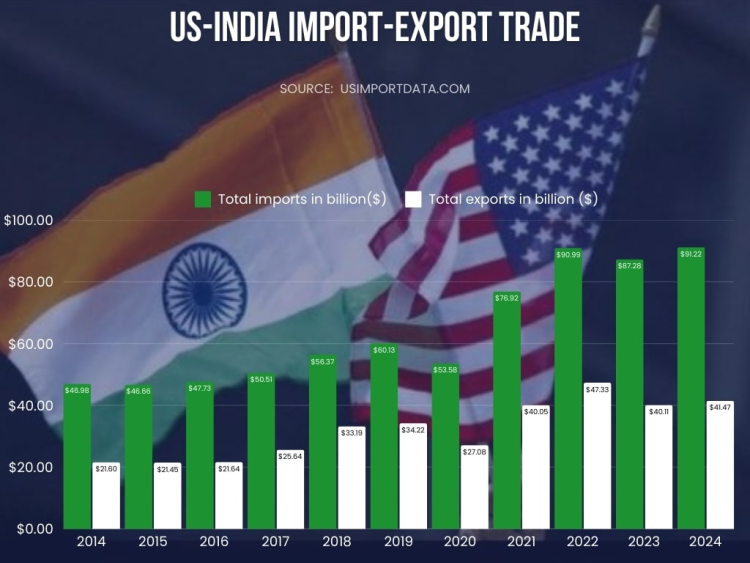
US-India Trade in the Last 10 Years: Yearly US-India Trade Data
|
Year of US-India Trade |
Total imports ($) |
Total exports ($) |
|
2014 |
$46.98 billion |
$21.60 billion |
|
2015 |
$46.66 billion |
$21.45 billion |
|
2016 |
$47.73 billion |
$21.64 billion |
|
2017 |
$50.51 billion |
$25.64 billion |
|
2018 |
$56.37 billion |
$33.19 billion |
|
2019 |
$60.13 billion |
$34.22 billion |
|
2020 |
$53.58 billion |
$27.08 billion |
|
2021 |
$76.92 billion |
$40.05 billion |
|
2022 |
$90.99 billion |
$47.33 billion |
|
2023 |
$87.28 billion |
$40.11 billion |
|
2024 |
$91.22 billion |
$41.47 billion |
India and the US look to double bilateral trade by 2030
In addition to announcing preparations for a bilateral trade deal to lower tariffs and expand market access, India and the US have decided to more than double their two-way trade to $500 billion by 2030.
The joint statement released following US President Donald Trump and Prime Minister Narendra Modi's meeting here states that the two leaders have also committed to using their bilateral trade partnership to foster growth that guarantees national security, equity, and job creation.
Both parties agreed to appoint senior officials to extend these discussions and guarantee that the trade partnership properly embodies the goals of the COMPACT (Catalyzing Opportunities for Military Partnership, Accelerated Commerce and Technology), the statement added. The United States and India will take a coordinated strategy to enhance and expand bilateral trade in the products and services sector to further this creative, comprehensive BTA.
Early efforts to show a shared commitment to removing bilateral trade obstacles were also praised by the leaders. The bilateral commerce in goods and services between the United States and India was valued at $190.08 billion in 2023 ($63.89 for goods and $66.19 for services).
"Reciprocal tariffs" imposed by Trump
-
Hours before his planned meeting with Prime Minister Narendra Modi, US President Donald Trump declared that reciprocal tariffs would be imposed on nations that impose hefty import charges on US goods.
-
India is anticipated to be one of the countries most impacted by Trump's move because of its historically high tariffs on US imports.
-
Though the proposal for a significant trade agreement may encourage two-way trade, experts say Trump's announcement of reciprocal tariffs has created an unpredictable commercial environment between the US and India.
-
Last year, India and the US had over $130 billion in bilateral trade, with a trade deficit of about $45 billion in India's favor.
Recognizing the Spectrum of US-Indian Trade
According to India-US trade data, the two nations have benefited from strong bilateral trade agreements and partnerships, which have led to a steady increase in their economic relationship throughout time. With one of the biggest economies in the world, the US offers a sizable market for Indian goods and services, and India's growing manufacturing sector ensures that the US will always have access to high-quality items. A variety of goods are imported from India, making it one of the United States' top trading partners, according to the latest data from US import statistics.
Important US-India Trade Data & Trends
Some significant figures and patterns that define the trade relationship between India and the US are revealed by a closer examination of the US import data. The value of US-Indian import commerce has been increasing recently, which is indicative of the rising demand for Indian goods in the US market.
Textiles and apparel are some of the most notable industries in terms of US imports from India, with Indian clothing and materials gaining significant traction in the US fashion sector. The data demonstrates the competitiveness of Indian producers in satisfying the quality and cost demands of American consumers by demonstrating a consistent rise in the amount of textile imports from India.
Pharmaceuticals are another important area of US imports from India, as a large portion of the drugs taken in the US are supplied by Indian pharmaceutical companies. Indian pharmaceutical products' dependability and affordability have made them a popular choice for American patients and healthcare professionals, thus enhancing economic relations between the two nations.
-
In 2023-24, trade between the US and India was over $120 billion, with $35.3 billion going to India as a trade surplus.
-
India's exports to the United States reached $87.2 billion in 2023 and have now surpassed $77 billion in 2024.
-
India imported $42.2 billion from the United States.
-
Commodities: According to India-US trade data, the main items exchanged between the two countries were fuels, electrical machinery, and precious metals.
-
US exports: US exports to India were $40.12 billion. The main mineral fuels that the United States sent to India were natural gas, anthracite coal, and crude oil.
-
The United States is India's largest trading partner and export market. The two countries' commercial ties have endured through political changes.
Prospects and Obstacles in US-Indian Trade
The commercial relationship between the US and India offers many chances for development and cooperation, but it also has some issues that must be resolved to promote long-term economic cooperation. Market access is one of the main issues in this respect, as both nations struggle with trade restrictions and hurdles that impede the free movement of products and services across international borders.
Furthermore, the dynamics of India-US trade statistics may be impacted by shifting trade policies and the geopolitical environment, which calls for a proactive strategy to settle trade disputes and advance shared interests. India and the US can open up new opportunities for collaboration and innovation across a range of industry sectors by utilizing the current trade agreements and encouraging a cooperative attitude.
Building a Sustainable and Inclusive India-US Trade Relationship
As the US and India aim to double trade in the coming years, they must prioritize sustainability, inclusivity, and transparency in their trade practices. By promoting responsible business conduct, protecting the rights of workers and consumers, and enhancing environmental protections, both nations can ensure that their trade relationship benefits all stakeholders and contributes to a more prosperous and interconnected world.
Conclusion
In conclusion, the US-India trade relationship holds immense potential for economic growth, job creation, and strategic cooperation. By addressing challenges such as tariff uncertainties, geopolitical tensions, and regulatory barriers, both nations can build a stronger and more resilient partnership that benefits their economies and societies. With a shared commitment to doubling trade and deepening strategic cooperation, the US and India are well-positioned to realize their goal of a more prosperous and interconnected future.
What's Your Reaction?